
Can Blown-In Fiberglass Insulation Be Added Over Existing Attic Insulation
A practical guide to evaluating the existing layer, correcting attic conditions, and planning a cont
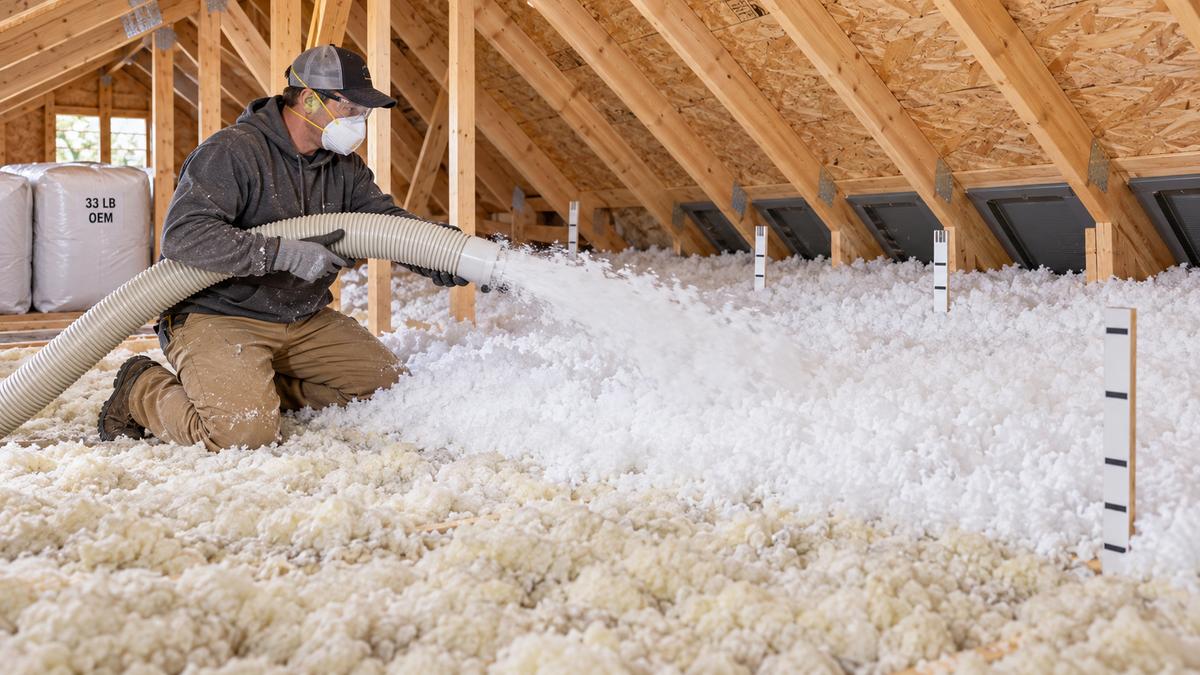
Blown-in fiberglass insulation can often be added over existing attic insulation, but only after the old layer and the attic itself have been evaluated. A retrofit is appropriate when the existing material is dry, stable, reasonably clean, and compatible with the planned new layer. Covering damaged material without correcting the cause can hide a problem rather than improve the assembly.
Begin by identifying the existing insulation type and examining it across the full attic, not only near the access opening. Look for wet areas, staining, mold-like growth, pest contamination, burned material, severe compression, and sections moved by previous work. Questionable insulation should be evaluated and, when necessary, removed by qualified personnel before blown-in fiberglass insulation is installed. The decision should follow site conditions, local requirements, and the contractor's safety procedures.
Next, correct conditions that the new material cannot solve. Roof or plumbing leaks, uncontrolled air paths, blocked soffit ventilation, damaged ducts, open electrical junctions, and required clearances around heat-producing components must be addressed first. Baffles, dams, access protection, and service walkways should remain functional after the upgrade. Adding blown-in fiberglass insulation does not repair moisture sources or make an unsafe attic acceptable.
Material quantity should be based on the desired final performance and the tested coverage chart for the exact new product. The existing layer can be considered only when its type, average depth, condition, and installed coverage are understood. Uneven or compressed areas should not be assumed to provide the same value as an intact uniform layer. Contractors should measure the attic area, establish the required new installed depth, and calculate the number of blown-in fiberglass insulation bags from the applicable manufacturer data rather than from bag weight alone.
During installation, depth markers should be positioned throughout the work area. The installer should build the new layer gradually, maintain clear ventilation paths, and avoid disturbing usable insulation more than necessary. Thin sections near eaves, framing, or obstructions require extra attention. Installed depth and actual bag count should be checked together because appearance alone cannot confirm that the planned quantity of blown-in fiberglass insulation was installed.
When the existing layer is serviceable, an overlay can improve uniformity without removing all material already in place, reducing unnecessary handling and disposal. For distributors and project buyers, the supply discussion should include bag weight, package dimensions, machine compatibility, product documentation, and final coverage data. Levinson Energy supplies 33 lb / 15 kg blown-in fiberglass insulation in 85 x 55 x 25 cm bags and supports bulk orders, OEM packaging, and private-label cooperation. Product-specific R-value and coverage claims should rely on completed testing.
Levinson Export Inquiries
Full Name*
Country / Region*
Email*
Message*


