
Why Blown-In Fiberglass Insulation Is Commonly Used for Attic Applications
An introduction to the material, installation method, coverage advantages, quantity planning, and pu
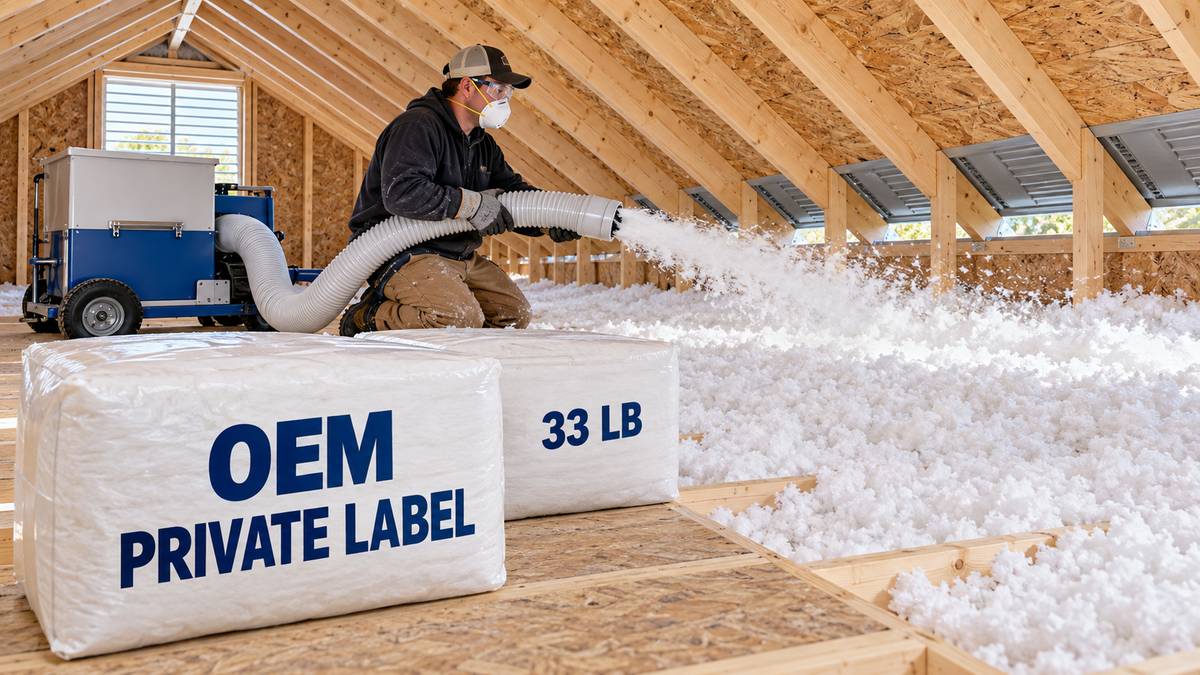
Blown-in fiberglass insulation is a machine-applied thermal insulation material made from fine glass fibers. It is also described in the market as loose-fill fiberglass insulation, blown fiberglass insulation, or fiberglass blown insulation. The material is compressed into bags for storage and transport, then separated and fluffed by a blowing machine before traveling through a hose into the attic.
Attics often contain wide open surfaces as well as joists, braces, wiring, pipes, and other irregular features. Blown-in fiberglass insulation can be directed around these obstacles and distributed across the ceiling plane without cutting individual pieces to match every space. This installation method helps a trained contractor build a more continuous layer while working efficiently over a large area.
This flexibility makes the product relevant to both new construction and suitable retrofit projects. Attic blown-in insulation can be placed in an empty attic or added above an existing serviceable layer after the attic has been evaluated. Blown-in fiberglass insulation does not repair roof leaks, moisture problems, unsafe electrical conditions, or blocked ventilation, so those conditions must be addressed separately before work begins.
Project quantity depends on the attic area, the target thermal performance, and the tested coverage chart for the exact product. Contractors should use that chart to determine the required installed thickness, coverage per bag, and total bag count. During installation, depth markers and actual material consumption help confirm that blown-in fiberglass insulation has been distributed consistently rather than judged only by surface appearance.
For contractors, distributors, and importers, a useful product evaluation includes feeding behavior, fiber consistency, recovery after compression, hose flow, installation dust, installed density, packaging strength, and machine compatibility. Buyers should also review available test documentation and product-specific coverage information. Comparing blown-in fiberglass insulation through a controlled equipment trial can provide more practical purchasing insight than comparing bag weight alone. A qualified fiberglass insulation supplier should be prepared to discuss these points clearly.
Levinson Energy manufactures 33 lb / 15 kg bags of blown-in fiberglass insulation in an 85 x 55 x 25 cm package for international customers. The company supports bulk orders, OEM packaging, and private-label insulation programs for contractors, distributors, importers, and building-material partners. Product-specific R-value, coverage, and compliance claims should be published only after the applicable testing and documentation are complete.
Levinson Export Inquiries
Full Name*
Country / Region*
Email*
Message*


