
How Blown-In Fiberglass Insulation Is Manufactured
Understanding the manufacturing process of blown-in fiberglass insulation, from fiber processing and
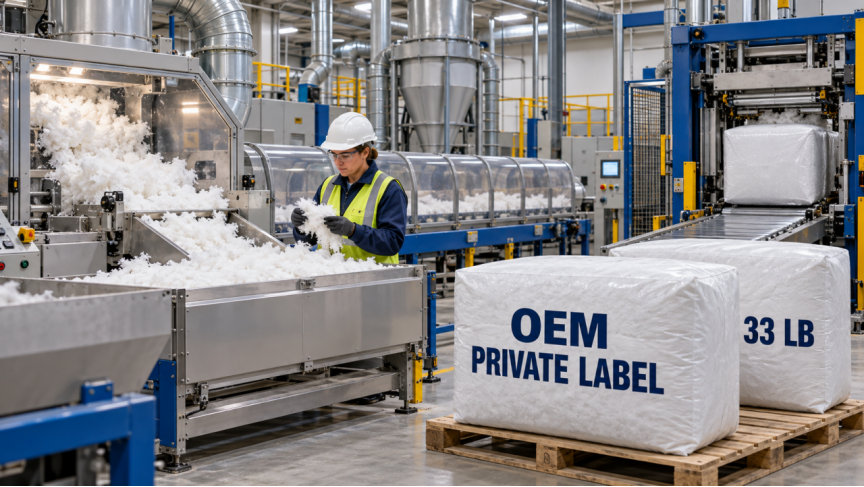
Blown-in fiberglass insulation is produced through a controlled manufacturing process that transforms glass fiber materials into a lightweight loose-fill insulation product designed for machine installation.
The production of blown-in fiberglass insulation begins with preparing glass fiber materials and processing them into suitable fiber structures. During manufacturing, controlling fiber consistency, softness, and distribution is important because these factors influence how the material flows through insulation blowing equipment.
Unlike fiberglass batts, which are manufactured into fixed panels or rolls, loose-fill fiberglass insulation is designed to be pneumatically installed. The finished fibers are processed into a form that allows contractors to use blowing machines and hoses to distribute the insulation into attic floors or wall cavities.
A professional blown-in fiberglass insulation supplier focuses on maintaining stable production quality through material inspection, process control, and packaging checks. Proper fiber handling and quality monitoring help ensure that the packaged insulation can be transported, stored, and prepared for installation.
After processing, blown fiberglass insulation is compressed and packed into bags for transportation efficiency. Standard packaging formats, such as 33 lb (15 kg) bags, are commonly used in international building material markets. OEM and private label packaging solutions allow distributors, contractors, and importers to develop products under their own brands.
For customers evaluating a fiberglass insulation supplier, understanding the manufacturing process can help them choose a reliable partner. Important factors include production consistency, packaging capability, supply stability, and communication support.
Levinson Energy focuses on blown-in fiberglass insulation manufacturing and provides OEM and private label solutions for international customers.
Levinson Export Inquiries
Full Name*
Country / Region*
Email*
Message*


