
How to Choose a Blown-In Fiberglass Insulation Supplier
Compare blown-in fiberglass insulation suppliers through product documentation, equipment trials, co
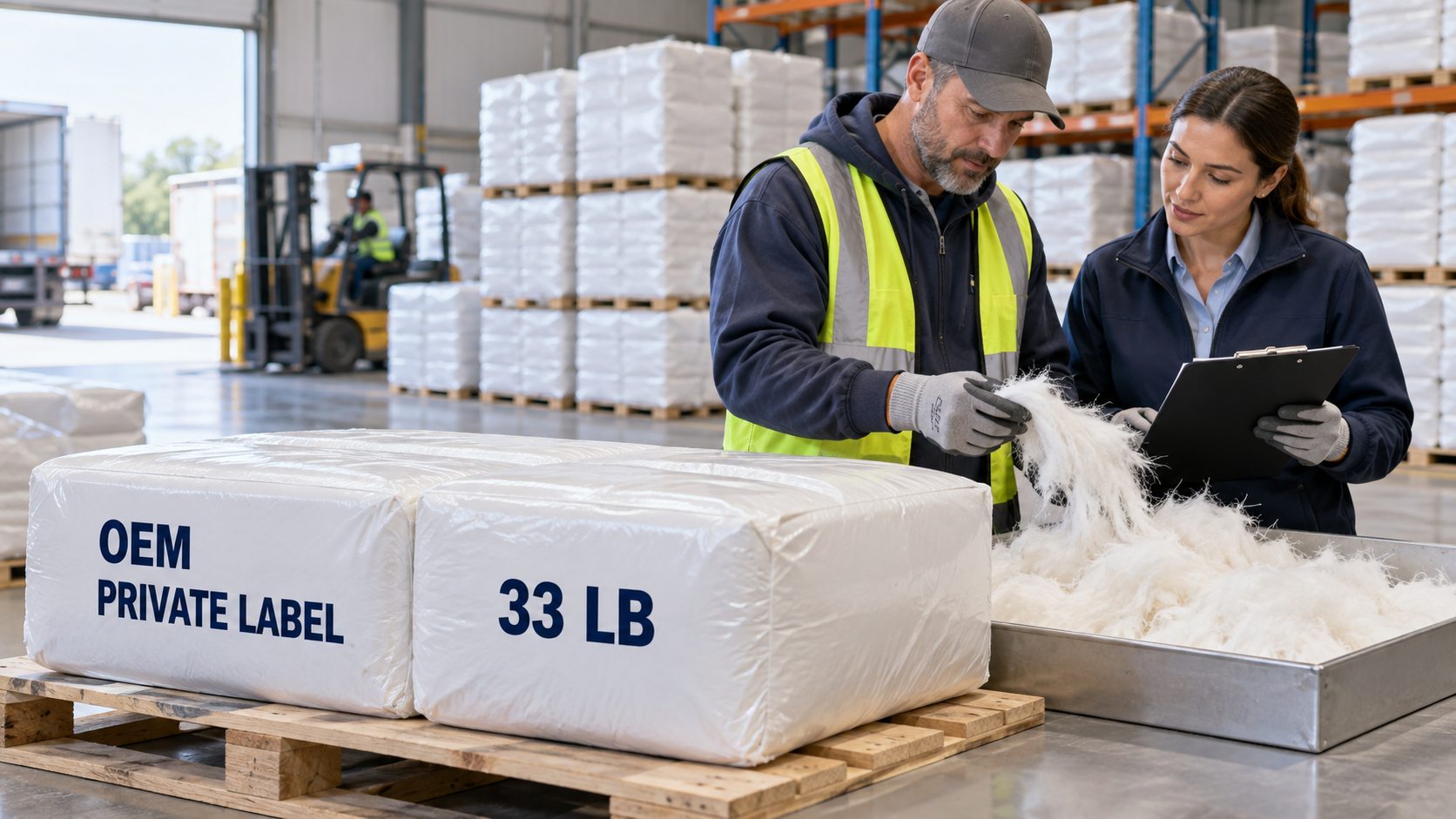
Choosing a blown-in fiberglass insulation supplier means selecting a material that fits your equipment, projects, and purchasing model. Contractors need predictable installation behavior; distributors and importers need consistent batches and dependable order arrangements. Start by defining the intended application, expected purchasing volume, and whether you will sell under the manufacturer's brand or your own private label.
Blown-in fiberglass insulation, also called loose-fill fiberglass insulation, arrives compressed in bags and is opened by a blowing machine for installation. Ask the supplier which applications its product documentation covers. Open attic placement and enclosed wall cavities can require different installation methods and densities, so suitability for one application should not automatically be assumed for another.
Review the technical data sheet, safety data sheet, installation instructions, and available test reports. For blown fiberglass insulation, a product-specific coverage chart should connect the claimed R-value with the required thickness and material quantity. Check that reports identify the product being offered. Where documentation is still being developed, clarify what is available before quoting performance to your customers.
A representative sample trial helps reveal how blown-in fiberglass insulation behaves in everyday work. Use your normal blowing machine and hose setup, and record the settings, test area, bag consumption, installed depth, and installation time. Observe feeding, blockages, dust, fiber recovery, and distribution. Keeping the trial conditions consistent makes comparisons between suppliers more useful than judging appearance alone.
Compare the total project cost as well as the price per bag. Two bags with the same weight may provide different documented coverage at the same target R-value. Once comparable coverage data are available, divide the delivered material cost by the area it covers. Include handling and installation time in your purchasing assessment. This gives a more practical comparison of blown-in fiberglass insulation than bag price alone.
Supply planning matters for recurring orders. Confirm production lead times, package dimensions, loading arrangements, batch identification, and the process for resolving damaged or inconsistent deliveries. For OEM insulation packaging, agree on artwork, printing minimums, ownership of unused packaging, and reorder arrangements. A private label should be supported by the same product information and quality expectations as the original brand.
Levinson Energy is a China-based manufacturer supplying blown-in fiberglass insulation in 33 lb / 15 kg bags measuring 85 x 55 x 25 cm. The company supports bulk orders, OEM packaging, and private-label cooperation for contractors, distributors, and importers. Buyers can discuss sample evaluations, packaging requirements, and export arrangements when developing a supply partnership.
Levinson Export Inquiries
Full Name*
Country / Region*
Email*
Message*


