
Common Applications of Blown-In Fiberglass Insulation
Explore how blown-in fiberglass insulation is used in attics, suitable wall and floor cavities, new
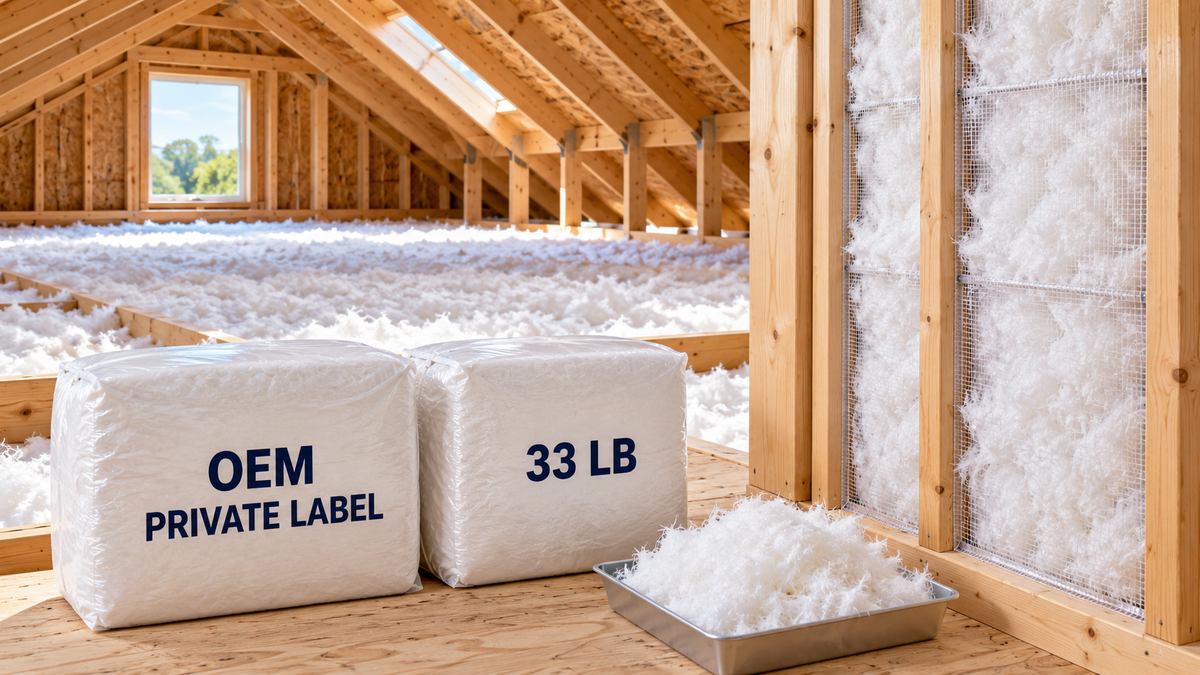
Blown-in fiberglass insulation is a versatile building insulation material used to reduce heat transfer in a range of building assemblies. Its machine-applied fibers can reach irregular spaces and fit around framing without cutting individual pieces. Also known as loose-fill fiberglass insulation or blown fiberglass insulation, the material is supplied in compressed bags and expanded with blowing equipment at the jobsite.
Open attics are a common application. Blown-in fiberglass insulation is distributed across the attic floor, above the ceiling of the occupied rooms, to create a thermal layer between indoor space and the unconditioned attic. It can cover broad areas and accommodate braces, wiring, and changes in framing layout. This makes it useful for both new attic installations and suitable insulation upgrades.
Wall cavities provide another application for products designed and documented for enclosed installation. In new construction, fibers can be installed behind retaining netting before the wall finish is added. In suitable existing walls, contractors may introduce material through access holes. Blown-in fiberglass insulation for walls requires an appropriate installation method and cavity density, which differ from open-attic placement.
Enclosed floor and ceiling cavities can also be insulated with suitable blowing products and installation systems. Examples include floors separating heated rooms from an unheated garage or another unconditioned space. Here, the material helps reduce heat transfer through the floor assembly. Containment keeps the fibers in the intended cavity, while the installation method allows material to reach spaces that are difficult to fit with pre-cut insulation.
These applications extend across different project stages. During new construction, insulation can be coordinated with framing and building services before surfaces are closed. In renovation work, hose delivery can provide access to suitable existing cavities without removing every surrounding surface. Blown-in fiberglass insulation may also be added above an existing serviceable attic layer when the assembly and product instructions allow it.
The practical benefit across these uses is adaptable placement: the installer distributes fibers where thermal protection is needed, including around irregular framing. Application suitability depends on the particular product and assembly. An attic coverage chart does not establish wall or floor performance; enclosed applications need their own supporting installation information. This distinction helps contractors and buyers match the material to the project.
Levinson Energy manufactures blown-in fiberglass insulation in 33 lb / 15 kg bags measuring 85 x 55 x 25 cm. The China-based fiberglass insulation supplier supports bulk orders, OEM packaging, and private-label cooperation. Contractors, distributors, and importers can discuss their intended application and available product documentation when evaluating supply options.
Levinson Export Inquiries
Full Name*
Country / Region*
Email*
Message*


