
Blown-In Fiberglass Insulation for New Home Construction
Explore the role of blown-in fiberglass insulation in new-home attics, suitable wall and floor cavit
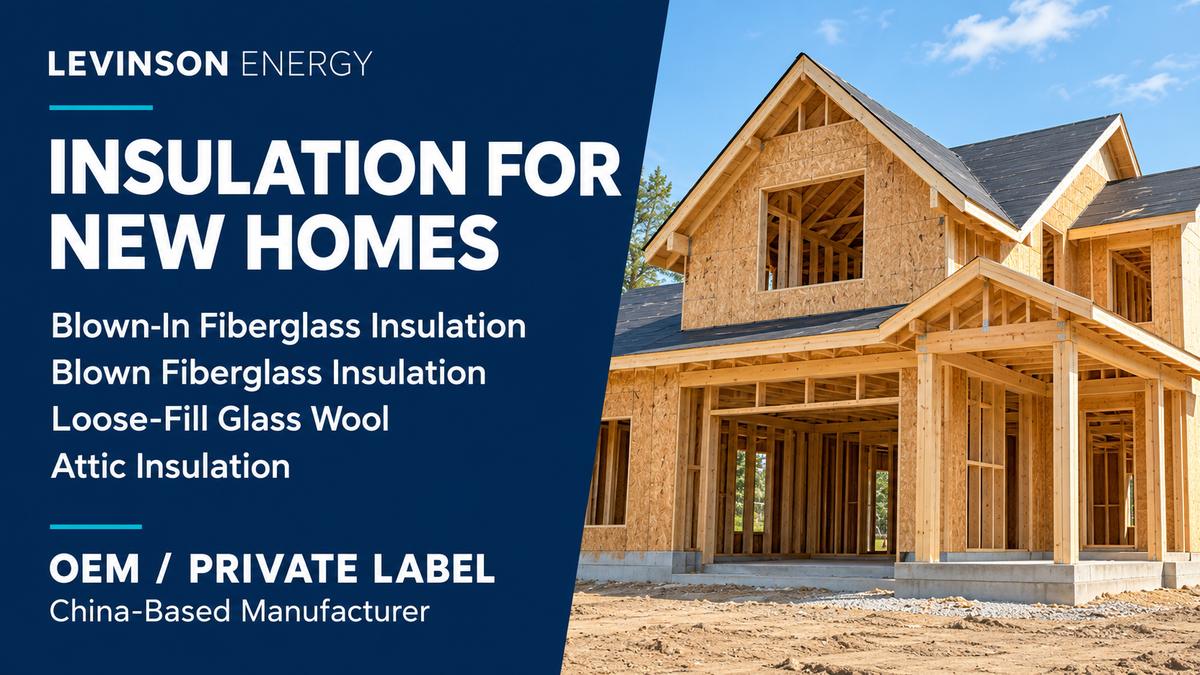
Blown-in fiberglass insulation can form part of the thermal protection designed into a new home. Unlike a renovation, new construction gives builders an opportunity to plan insulation around the framing, building services, and intended indoor spaces from the beginning. The aim is to create an effective thermal boundary that supports comfort and reduces unwanted heat transfer.
The product is made from fine glass fibers and installed using a blowing machine and hose. It is also known as loose-fill fiberglass insulation, blown fiberglass insulation, or loose-fill glass wool. Machine delivery allows material to be distributed around irregular framing and into suitable spaces without cutting each piece to a fixed cavity size.
In homes with vented attics, blown-in fiberglass insulation is commonly installed across the attic floor above the ceilings of the occupied rooms. The layer helps separate those rooms from the unconditioned attic. Broad attic areas can be covered around trusses and other obstructions, while the required depth and quantity are determined from the particular product's documented coverage information.
Wall applications use products and installation systems specifically suited to enclosed cavities. During new construction, retaining netting can hold the fibers between studs before the interior finish is installed. Blown-in fiberglass insulation can then fill around framing features within the intended cavity. Wall density and installation requirements must be supported by information for that application, rather than assumed from an attic specification.
Suitable enclosed floor cavities offer another use, such as separating a bedroom from an unheated garage below. A compatible containment and blowing system keeps the material within the floor assembly. This helps place thermal resistance where the indoor space meets an unconditioned area, extending insulation planning beyond the roof and exterior walls.
For builders, the benefit of planning blown-in fiberglass insulation early is the ability to coordinate access, cavity containment, and material placement with other trades. Insulation works alongside air sealing and the rest of the building enclosure. Matching the product to each assembly and checking coverage before construction is complete helps deliver the intended design without relying on later upgrades.
Levinson Energy manufactures blown-in fiberglass insulation in 33 lb / 15 kg bags measuring 85 x 55 x 25 cm. The China-based manufacturer supports bulk supply, OEM packaging, and private-label cooperation for contractors, distributors, and importers. Buyers planning new-home projects can discuss intended applications, sample evaluations, and available product documentation when reviewing supply options.
Levinson Export Inquiries
Full Name*
Country / Region*
Email*
Message*


